Flying Solo on Purpose: Why More Mature Americans Are Choosing Themselves First

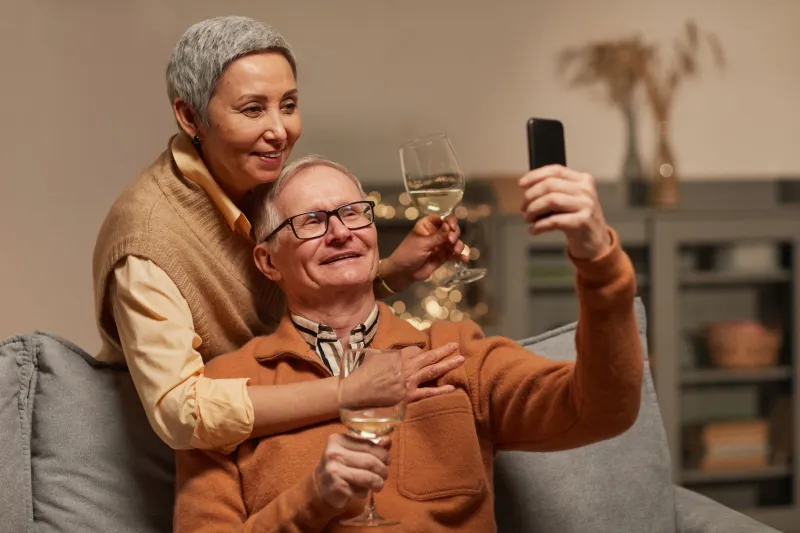
Photo by Photo by Vitaly Gariev on Unsplash on Unsplash
For a long time, the cultural script was pretty clear: you find someone, you commit, you build a life together. Being single past a certain age was treated like a problem waiting to be solved — something to apologize for at holiday dinners or explain away on first dates. But that script? A lot of people over 50 are quietly tossing it out.
Across the US, a meaningful and growing segment of mature adults is redefining what a fulfilling life actually looks like. Not because they can't find a partner, but because they've made a deliberate choice to prioritize something different — freedom, self-discovery, chosen community, or simply the peace of living on their own terms. And they're not lonely. Not even close.
The Shift Nobody's Talking About Loudly Enough
The numbers tell an interesting story. According to Pew Research, a significant portion of Americans over 50 who are currently single say they're not actively looking for a relationship. That's not resignation — that's a conscious lifestyle choice. And it's becoming more visible, more celebrated, and frankly, more relatable every year.
Something shifts in midlife. The pressure to meet external benchmarks starts to lose its grip. Whether it's coming out the other side of a long marriage, spending years prioritizing kids and career, or simply arriving at a place of genuine self-sufficiency — a lot of people hit their 50s and realize that the version of happiness they were chasing wasn't entirely their own design.
Choosing intentional singlehood isn't about swearing off connection. It's about refusing to treat a relationship as the only valid container for a meaningful life.
What "Connection Without Commitment" Actually Looks Like
Here's where things get interesting — and where the conversation gets more nuanced than most people expect.
Intentional singlehood doesn't mean isolation. For many mature adults, it means building a rich, layered social world that doesn't depend on a romantic partner at its center. Think close friend groups that function like chosen family. Regular travel companions. Creative communities. Casual companionship that's honest about what it is and what it isn't.
Some people in this space are open to dating — they enjoy the experience of meeting someone new, the spark of attraction, the pleasure of a good evening — but they're not looking for it to lead anywhere in particular. That's a legitimate place to be. Platforms like Seksia exist precisely because not everyone is searching for the same destination. Some people just want the journey to be enjoyable.
Others are exploring what used to be called "living apart together" — meaningful, ongoing relationships with a partner where both people maintain separate homes and independent lives. It's a growing arrangement among mature adults who value deep connection but aren't interested in merging households or navigating the full weight of traditional partnership.
Dropping the Societal Pressure (And How Good That Feels)
One of the most commonly reported experiences among people who've embraced intentional singlehood is a feeling of relief. Not resignation — relief. The kind that comes from stopping a performance you didn't realize you were giving.
For decades, many people — especially women — absorbed the message that their relationship status was a reflection of their desirability, their worth, their success as a human being. Unlearning that is genuinely liberating. And by your 50s, you often have the perspective and the emotional bandwidth to actually do it.
When you stop dating from a place of need or social expectation, the entire experience changes. You show up more honestly. You're more selective, but also more relaxed. Ironically, people who aren't desperate for a relationship often have some of the most genuine, satisfying connections — because there's no agenda distorting the interaction.
Community as the New Cornerstone
One of the most striking things about mature adults who thrive as singles is how intentionally they build community. This isn't a consolation prize for not having a partner — it's a genuine, deliberate investment in a wider network of meaningful relationships.
Across the country, you'll find 50+ hiking groups, book clubs, travel collectives, volunteer organizations, and social meetups that function as genuine community anchors. These aren't just ways to pass time. They're the infrastructure of a fulfilling life — one where emotional support, laughter, shared experience, and belonging aren't contingent on any single relationship.
Friendship, it turns out, is wildly underrated as a source of life satisfaction. Research consistently shows that the quality of your social connections — not their romantic nature — is one of the strongest predictors of wellbeing and longevity. Mature singles who invest in their friendships often report higher levels of day-to-day happiness than people in unfulfilling relationships.
How the Dating Landscape Is Catching Up
The good news is that the broader dating culture is slowly, finally, starting to reflect this reality. More people are upfront about not wanting traditional commitment. More platforms and communities are making space for casual companionship, friendship with benefits, and connection that exists outside the conventional relationship escalator.
At Seksia, that kind of honesty is welcome. You don't have to pretend you're looking for something you're not. Whether you're after stimulating conversation, a low-key companion for weekend plans, or something more physical and uncomplicated — being clear about that from the start saves everyone time and opens the door to genuinely satisfying experiences.
The most attractive version of you isn't the one performing readiness for a relationship you're not sure you want. It's the one who knows exactly what they're after and says so.
Your Life, Your Terms
Choosing yourself isn't a backup plan. For a growing number of mature Americans, it's the main event. The freedom to design your days, your relationships, and your emotional investments around what actually works for you — that's not settling. That's arriving.
If your version of a great second act includes a partner, wonderful. But if it looks like a full, rich, connected life built on your own foundation? That's not a lesser version of happiness. That's just a different kind of whole.