Old Flames, New Fire: Why Returning to Love After 50 Hits Completely Different

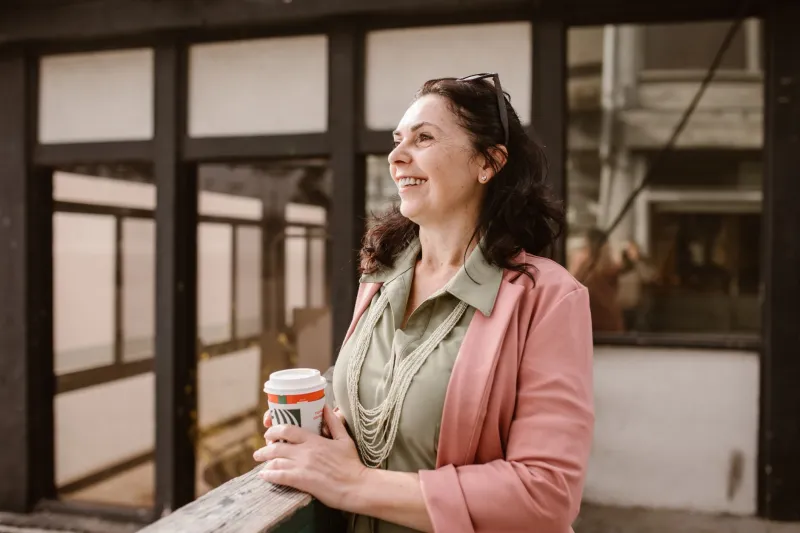
Photo by Photo by Marius Muresan on Unsplash on Unsplash
There's a particular kind of courage it takes to open your heart again after you've already lived a whole romantic life. Maybe you've buried a spouse. Maybe you signed divorce papers you never thought you'd need. Maybe you reconnected with someone from thirty years ago on Facebook and felt something you hadn't felt in decades. Whatever the road that brought you here, one thing is almost universally true: love the second (or third) time around doesn't just feel different — it works differently.
And more often than not? It works better.
The Ego Has Left the Building
One of the quiet transformations that happens between your twenties and your fifties is that the ego — that loud, insecure passenger riding shotgun through your early relationships — tends to quiet down considerably. When you're young, so much of dating is performance. You're auditioning for a role, curating an image, trying to appear more confident, more carefree, more everything than you actually feel.
By the time you've lived a few decades, raised kids, navigated careers, sat with grief, and survived a few heartbreaks, the performance starts to feel exhausting. What replaces it is something far more attractive: authenticity. You know who you are. You've stopped pretending to like things you don't, stopped shrinking yourself to fit someone else's expectations, and stopped measuring your worth by whether someone texts you back.
That shift alone changes everything about how connection forms. When two people come together without the armor of ego, the intimacy that develops can be startling in its depth and speed.
Perspective Is the Superpower Nobody Talks About
Here's something the rom-coms never show you: the ability to zoom out. When you're in your twenties, every relationship feels like it's either forever or a catastrophe. There's no middle ground. Every disagreement is a crisis. Every moment of uncertainty feels existential.
Mature adults bring a radically different lens to romance. You've seen enough of life to know that most things aren't the end of the world. You've weathered loss, uncertainty, and change — and you came out the other side. That hard-won perspective allows you to approach a new relationship with patience and proportionality that younger daters simply haven't had the time to develop.
You're also more likely to recognize something good when it's in front of you. The emotional pattern recognition that comes from decades of experience means you're quicker to spot genuine compatibility — and quicker to spot red flags you might have ignored at 28.
The Clarity Factor: Knowing What You Actually Want
Ask most people in their twenties what they want in a partner and you'll get a list. Ask someone in their fifties and you'll get a feeling. There's a profound difference.
With age comes a kind of emotional precision. You've been in relationships that looked perfect on paper and felt hollow in practice. You've compromised on things you shouldn't have and held firm on things that didn't matter. All of that experience distills into something invaluable: clarity.
You know whether you need someone who shares your values around family. You know if physical affection is non-negotiable for you, or if intellectual stimulation is the thing that really keeps you engaged. You know whether you want to build something new or simply enjoy companionship without the pressure of long-term planning. That clarity isn't just helpful — it's magnetic. People who know what they want and aren't afraid to say so are genuinely compelling to be around.
Reconnecting With Former Flames: The Complicated Magic
A specific version of the second-chance story deserves its own spotlight: rekindling something with someone from your past. Maybe it's a high school sweetheart, a college relationship that ended because of geography, or someone you lost touch with during the chaos of early adulthood.
These reconnections carry a unique emotional charge. There's an existing foundation — shared history, familiar comfort, the strange intimacy of knowing who someone used to be. But here's the thing research on these so-called "lost love" reunions consistently shows: the success rate is surprisingly high, particularly when both people have grown substantially since the original relationship ended.
The key is going in with open eyes. You're not rekindling the past — you're building something new with someone who has a familiar face. The person standing in front of you has been shaped by thirty years of experiences you weren't part of. Respecting that, rather than trying to recreate what was, is what separates a genuine second chance from a nostalgic trap.
Grief, Loss, and the Permission to Love Again
For those re-entering the dating world after losing a spouse, the emotional terrain is uniquely complex. There's often guilt — the feeling that moving on is somehow a betrayal. There's also fear: that no one will understand the grief you carry, or that opening up again means risking that kind of loss all over again.
What many widowed adults discover, often with some surprise, is that their capacity to love doesn't diminish after loss. If anything, it deepens. Having loved deeply and lost that person doesn't make you damaged goods — it makes you someone who understands, in a bone-deep way, what love is actually worth. That's not a liability. That's an extraordinary gift to bring to a new relationship.
Giving yourself permission to want connection again isn't a betrayal of the past. It's one of the most human things you can do.
The Dating Scene Has Actually Gotten Better for You
Here's a practical note worth making: the infrastructure for mature dating in America has genuinely improved. Platforms built specifically for adults over 50 have matured alongside their users. The cultural conversation around dating later in life has shifted — there's far less stigma, far more visibility, and a growing community of people who are navigating this same territory.
That means you're not alone in this, and you're not doing it in the dark. There are real tools, real communities, and real people out there who are exactly where you are — ready to connect, willing to be real about it, and done with the games that made early dating feel like a second job.
The rekindling effect is real. And it's waiting for you.