Touched Differently: Why Physical Affection Hits Deeper After 50 Than It Ever Did Before
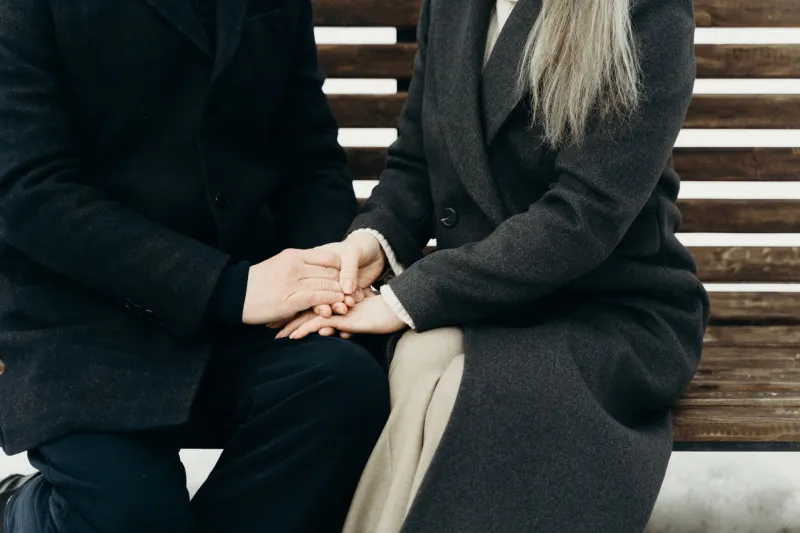
There's a quiet revolution happening in bedrooms, on couches, and in the everyday moments between mature couples across America. It doesn't make headlines. It doesn't trend on social media. But ask anyone who's discovered it firsthand, and they'll tell you the same thing: touch feels different now. Richer. Slower. More real.
If you're over 50 and you've noticed that a hand on your shoulder lands differently than it used to, or that a long embrace carries more weight than it did in your thirties, you're not imagining it. There's a neurological, emotional, and deeply human reason why physical affection becomes more meaningful—not less—as we move through the second half of life.
The Brain Rewires Itself (In the Best Way)
Here's something most people don't know: the way your brain processes touch actually changes with age. Younger adults often experience touch through a filter of anticipation, performance anxiety, and social signaling. Physical contact in your twenties and thirties frequently carries an unspoken checklist—where is this going, what does this mean, am I doing this right?
By the time you hit your fifties, a lot of that noise quiets down. Researchers studying adult intimacy have noted that older adults tend to shift toward what's called affiliative touch—touch that communicates connection, safety, and presence rather than urgency or expectation. The brain's reward centers respond to this kind of contact through oxytocin release, the same bonding hormone that surges during close physical connection. The difference is that without the static of performance pressure, that oxytocin hits cleaner. Deeper. More like a wave than a splash.
In practical terms, this means a slow back rub, a hand held across a restaurant table, or a long kiss goodbye can carry more emotional electricity than a rushed encounter ever did back in the day.
When Performance Pressure Exits, Presence Enters
One of the most underrated gifts of getting older is the gradual release of the need to impress. In younger relationships, so much physical energy goes toward performing rather than experiencing. You're half in your body, half in your head—monitoring, adjusting, wondering how you look or how you're coming across.
Mature adults, by and large, have less patience for that particular theater. Decades of living in a body teach you to actually inhabit it. You know what you like. You know what feels good. You've stopped apologizing for your preferences and started acting on them.
This shift is profound when it comes to physical affection. When you're no longer managing an internal highlight reel, you're free to be fully present in the moment of touch itself. And presence, as anyone who's experienced it knows, is what transforms ordinary contact into something that lingers for hours afterward.
The Slow Burn Is Real—And It's Worth It
There's a cultural myth that passion is the exclusive territory of the young—fast, urgent, all-consuming. But that framing leaves out an entire category of desire that many mature adults describe as far more satisfying: the slow burn.
Physical affection after 50 often takes on a longer arc. It builds. It savors. It doesn't rush toward a finish line because it's learned that the journey is where most of the good stuff lives. Couples and new partners who embrace this rhythm frequently report that their physical connection feels more intimate than anything they experienced when they were younger, even if the pace is different.
This isn't a consolation prize. It's an upgrade.
Body Awareness as a Superpower
Years of living in your skin teach you things no one else can. You've weathered stress, illness, change, loss, and joy—and your body has carried all of it. That history, rather than being a liability, creates a kind of somatic wisdom that younger people simply haven't had time to develop.
Mature adults tend to be more attuned to subtle physical sensations. A gentle touch to the forearm. The warmth of someone sitting close. The specific comfort of a familiar embrace. These aren't small things—they're the language of connection, and fluency in that language comes with time.
This heightened body awareness also means that when physical affection is given with intention, it lands with precision. You notice it. You receive it. You let it mean something. That kind of receptivity is rare, and it's one of the genuine advantages of navigating intimacy at this stage of life.
What This Means for Mature Dating
If you're back in the dating world after 50—whether you're freshly single, newly divorced, or just ready to explore connection again—this shift in how you experience touch is worth understanding. It changes what you're looking for, and it changes what you bring to the table.
Physical chemistry at this stage isn't just about attraction. It's about attunement—finding someone whose pace, presence, and way of expressing affection aligns with yours. A partner who understands that a hand on the small of your back is its own kind of conversation. Someone who doesn't rush past the quiet moments because they recognize those moments as the whole point.
When you're dating with this awareness, you stop settling for physical encounters that leave you feeling oddly empty. You start gravitating toward people who touch you like they mean it—because you've learned, finally, that that's what you actually want.
Touch as Communication, Not Just Contact
At its core, what changes after 50 is that physical touch stops being primarily transactional and starts being communicative. It becomes a dialect. A way of saying I see you, I'm here, you matter to me—without a single word.
This is the rekindling effect that mature adults across the country are quietly discovering. Not a return to how things were, but an arrival at something better. Something more intentional. More honest. More alive.
Your most sensual, connected years aren't necessarily behind you. For a lot of people, they're just getting started.