Your Place, My Place, Our Thing: Why Separate Homes Are Keeping Mature Couples Together
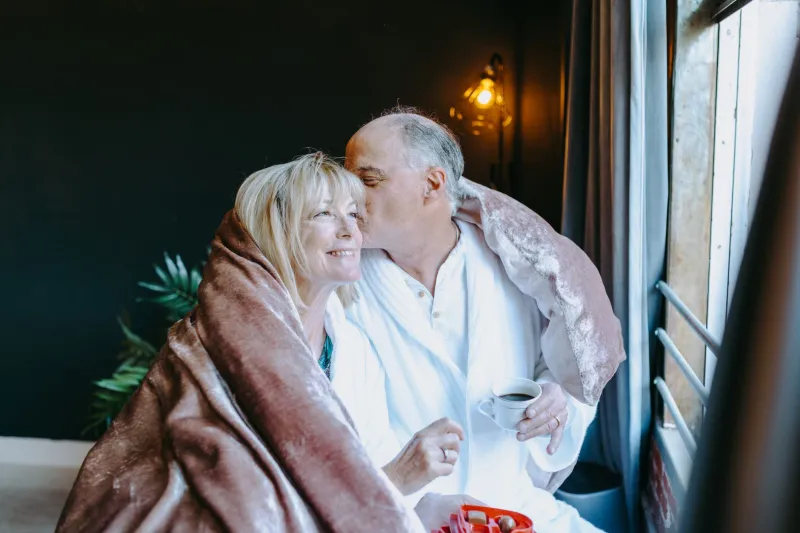
Living apart together—LAT for short—used to sound like a placeholder. You kept your own place until the relationship got serious enough to merge leases, closets, and Sunday routines. In 2026, plenty of mature couples are skipping the merger entirely. They are committed, exclusive, romantic, and happily addressed separately.
This is not a youth trend with gray hair attached. It is a practical, emotional, and financial design choice that fits a stage of life when you finally know what you need. You like waking up next to someone. You also like waking up to your own coffee maker, your own thermostat, and your own quiet.
Two Homes, One Relationship
The core idea is simple: you are a couple, but you do not share a front door. You may spend weekends together, take trips, cook dinners, meet each other's friends, and plan a future. Then you go home. The relationship gets intimacy without the daily friction of merged stuff and merged habits.
For mature adults, that friction can be real. You have decades of routines. You have a favorite chair. You have a bedtime. You have pets, medications, and a strong opinion about how the dishwasher should be loaded. None of that makes you difficult. It makes you a grown-up with a life already built.
The Money Conversation Gets Clearer
Money is one of the quiet reasons LAT appeals to couples over 50. Combining households can mean combining leases, mortgages, utilities, and risk. Many mature daters are protecting pensions, Social Security, savings, and property they spent decades building. They may also be thinking about adult children, estate plans, and what happens if the relationship changes.
Separate homes do not have to mean separate lives. Couples can split travel costs, alternate who hosts dinner, and keep a shared budget for dates and gifts. The key is to talk about it early and plainly. Who pays for what? What happens if one person needs help with a rent increase? Are you building a shared emergency fund or keeping finances fully apart?
The beauty of LAT is that the answer can be custom. You are not defaulting to the traditional script. You are writing a contract that fits two actual people.
Missing Each Other on Purpose
There is an emotional upside that surprises some couples. When you do not see each other every day, ordinary time becomes deliberate. A Tuesday dinner feels like a plan, not a chore. A sleepover carries a little charge. You get to miss each other, and missing someone is underrated foreplay.
LAT also protects autonomy. You can be sick without an audience. You can have a messy week without explaining every sock on the floor. You can stay close to your own friends, keep your own Sunday rituals, and say no to a social invitation without negotiating.
For people who spent earlier decades compromising on space, that independence can feel less like distance and more like oxygen.
Boundaries Are the Whole Game
Living apart together only works when the boundaries are spoken. Otherwise it becomes guessing, hurt feelings, and passive-aggressive calendar math.
Start with time. How many nights a week do you want together? Which holidays matter? Are weekends default couple time, or do you alternate? What about travel? Do you check in daily, or is a good-morning text enough?
Then talk about other people. Are you exclusive? How do you handle old friends, exes, and plus-one events? What does commitment mean when you are not sharing an address?
Talk about care, too. If someone gets sick, who gets called? If a parent needs help, how does that affect your time? If one of you wants to move closer, is that a shared decision or a solo one?
These are not buzzkill questions. They are the instructions for the relationship. Couples who answer them early tend to fight less later.
It Is Not for Everyone—and That Is Fine
LAT is not a loophole for avoiding commitment. If you want to wake up next to someone every day, say so. If you want to blend families and homes, say that too. The point is not to sell one model as superior. The point is to stop assuming there is only one mature way to love.
In 2026, more couples over 50 are choosing two addresses and one strong relationship. They are not roommates with benefits. They are partners with a floor plan that finally fits.
If that sounds like freedom, start the conversation. If it sounds like loneliness, start a different one. Either way, be honest. That is what makes separate homes feel like togetherness instead of distance.