Apart and On Fire: Why Solo Trips Are the Secret Weapon of Thriving Mature Couples
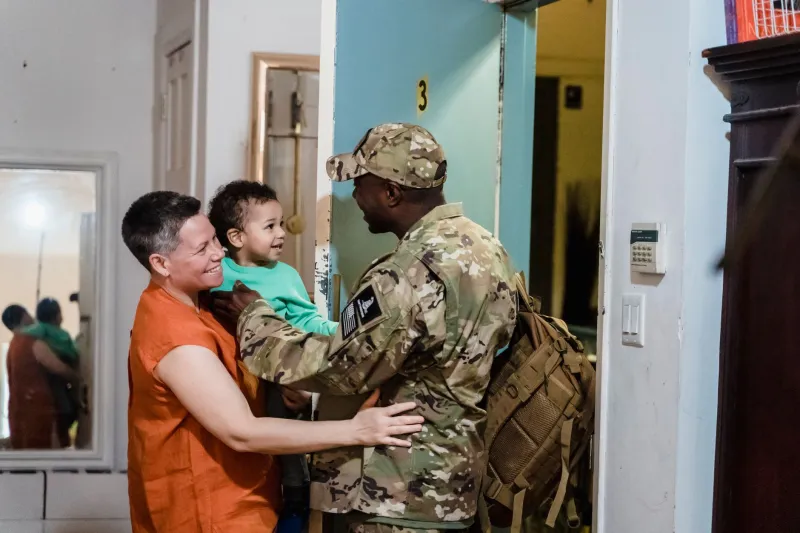
Here's something nobody puts on a greeting card: "Have a great trip without me. I'll miss you so much I'll want you all over again when you're back."
And yet, that's exactly what's happening in some of the most satisfying relationships among mature Americans right now. Couples who've been together for years — sometimes decades — are quietly crediting solo travel and intentional time apart for some of the best intimacy of their lives. Not despite the separation. Because of it.
It sounds counterintuitive. But once you dig into the psychology behind it, it makes complete sense.
The Familiarity Trap Nobody Talks About
Long-term relationships are built on comfort, and comfort is genuinely wonderful. But comfort has a shadow side: it can quietly flatten desire. When you know exactly how your partner takes their coffee, what they'll say during the news, and precisely how Tuesday night unfolds — that predictability, as cozy as it feels, can dull the spark that made things electric in the first place.
Relationship psychologists have a name for this dynamic. Esther Perel, one of the most cited voices in modern intimacy research, has long argued that desire thrives on mystery and separateness. Her core premise — that we want what we can't fully possess — isn't just a clever soundbite. It maps directly onto what mature couples are experiencing when they choose to travel independently.
When your partner goes off to hike Colorado with old college friends, or spends a week visiting a sibling in Florida while you stay home, something shifts. You stop taking them for granted. You notice their absence. And when they walk back through the door? That reunion carries a charge that a quiet Tuesday simply can't manufacture.
What Mature Adults Know That Younger Couples Don't
There's a reason this trend shows up more prominently in the 50-plus crowd. Younger couples often interpret the desire for independent space as a warning sign — a signal that something is wrong, that one partner is pulling away. Mature adults have lived long enough to know better.
By the time you've been through a few major life chapters, you understand that healthy individuality doesn't threaten a relationship. It feeds it. You've watched friends in suffocating partnerships slowly lose themselves. You've maybe even lived it. And you've learned — sometimes the hard way — that two full, autonomous people make a far more interesting couple than two people who've merged into one undifferentiated unit.
This wisdom changes how mature couples approach independence. Rather than treating solo trips as something to apologize for, they plan them intentionally. They encourage each other to pursue separate interests. They celebrate the fact that their partner has a life that doesn't revolve entirely around them.
And then they come home to each other — and the results speak for themselves.
The Psychology of Missing Someone (And Why It Works)
There's actual neuroscience behind the reunion effect. Anticipation and novelty both trigger dopamine — the same neurochemical involved in early romantic attraction. When you've been apart from a long-term partner for even a few days, the brain partially recalibrates. The person who felt utterly familiar starts to carry a faint trace of the unknown again.
You find yourself curious about what they did, what they saw, how they felt without you nearby. That curiosity is intimacy's best friend. It opens up conversations that wouldn't happen otherwise. It creates new shared stories — even when the experiences were separate.
Mature couples who travel solo often report that the reconnection conversations afterward rank among the most engaging talks they've had in years. There's something to actually discover about each other again. That discovery is its own form of foreplay.
Real People, Real Results
Ask around in any 50-plus social circle and you'll start hearing versions of the same story. A woman in her early 60s who took a solo painting retreat in New Mexico came home to a husband who looked at her like it was 1987 again. A retired man who spent ten days fishing in Montana with his brother returned to a wife who said she'd spent the week remembering exactly why she'd fallen for him.
These aren't anomalies. They're patterns. And they point to something important: the couples who thrive long-term aren't necessarily the ones who do everything together. They're the ones who've figured out how to stay interesting to each other — and staying interesting often means having a life worth coming home and talking about.
How to Make It Work Without Making It Weird
If you and your partner haven't explored intentional independence yet, the concept can feel a little awkward to introduce. Here's the thing — it doesn't have to be a grand declaration. Start small.
Normalize separate plans. It doesn't have to be a week-long trip right out of the gate. A weekend with friends, a solo road trip to visit family, even a few nights at a retreat can be enough to reset the dynamic.
Talk about it openly. Frame the conversation around what you want to explore or experience, not what you're escaping. The difference in tone matters enormously.
Check in without hovering. A quick text or a short call keeps the connection alive without eliminating the psychological benefit of actual separation. You want your partner to miss you — not worry about you.
Make the reunion count. Plan something intentional for when you're back together. A nice dinner, a night away locally, or even just clearing the schedule so you can actually be present with each other. Give the reunion the attention it deserves.
Stay genuinely curious. When they return, ask real questions. Not "how was it?" but "what surprised you?" or "what's one thing you want to do again?" That curiosity signals that you value their independent experience — and it keeps the conversation going in ways that build closeness.
The Bigger Picture
At its core, this trend reflects something mature daters and long-term partners are increasingly getting right: love isn't about possession. It's about choosing each other, repeatedly, from a place of genuine freedom.
When two people know they could exist independently — and still choose to come back to each other — that choice means something. It carries weight. And in a relationship that's been around long enough to become comfortable, that kind of intentional choosing can be the most romantic thing imaginable.
So if your partner mentions wanting to take that trip without you? Maybe instead of hesitating, you help them pack. You might be surprised what comes home with them.